 Bedding
Free New Bedcover
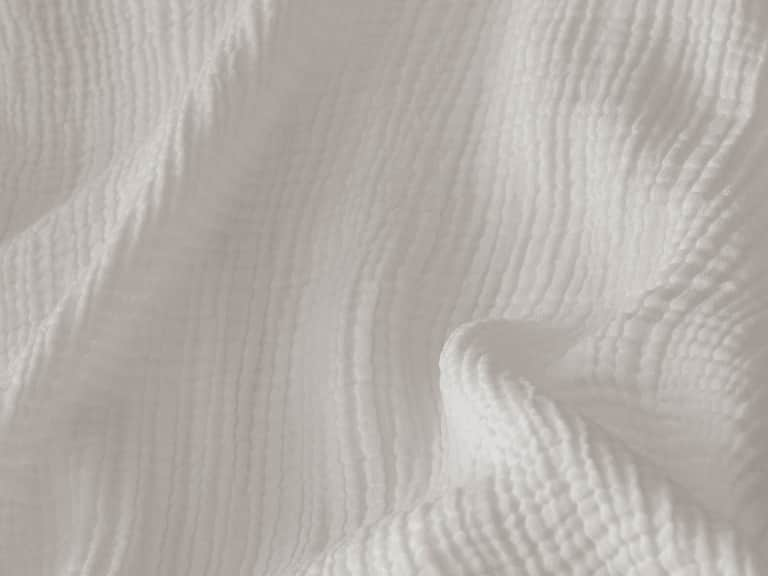
Enjoy a light, cool cover on warm nights with four airy layers of cotton voile. Its softly raised pattern adds cozy texture and a relaxed, inviting look to your bed.
Blankets and quilts add a layer of warmth and comfort to bedding, helping regulate temperature and make a bed more inviting. Their weight, construction, and fabric influence how they feel and function across seasons. Understanding these characteristics helps households choose coverings suited to personal comfort, room conditions, and everyday use.
Blankets are generally flexible, lightweight coverings, while quilts commonly feature stitched layers that hold filling in place. Materials and thickness affect warmth, breathability, and drape, so these features are useful considerations for different climates and sleep preferences. Both can be used alone or layered with sheets and other bedding.
The listed product, Free New Bedcover, is a bedcover intended to provide a finished top layer over bedding. As with any bedcover, its practical role is to add coverage and help protect the layers beneath from routine dust and contact. Confirming its dimensions and care instructions supports appropriate fit and maintenance.
When choosing a blanket or quilt, consider bed size, sleeping temperature, fabric feel, and ease of laundering. A lighter covering may suit warmer conditions or layered bedding, while a thicker quilt can provide additional insulation. Coordinating the covering with pillows and sheets can also create a comfortable, functional sleep environment.
Blankets and quilts complement a wider bedding setup that may include sheets, pillows, and organic mattresses. For younger sleepers, coverings should be selected with age-appropriate safe-sleep guidance in mind, particularly alongside organic crib mattresses. Material labels and manufacturer care details provide useful information about composition, upkeep, and suitability for household needs.
Bedding