Bedroom furniture • Materials and design
Maple Corner Woodworks: What to Consider in a Solid-Wood Platform Frame
A bed frame is more than a place to set a mattress. It shapes the room’s proportions, influences how the sleeping surface feels, and becomes part of everyday life. When considering a solid-wood platform frame from Maple Corner Woodworks, look beyond the finish: construction, support, dimensions, and the character of the wood all deserve a place in the decision.
There is a particular kind of quiet confidence in a well-chosen wooden bed. It does not need a dramatic silhouette or a parade of decorative details to make an impression. The grain catches the light; the frame gives the room a sense of order; and, once the bedding is in place, the whole space can feel a little more settled. That understated appeal is one reason solid-wood platform beds remain a consideration for people furnishing a bedroom for the long term.
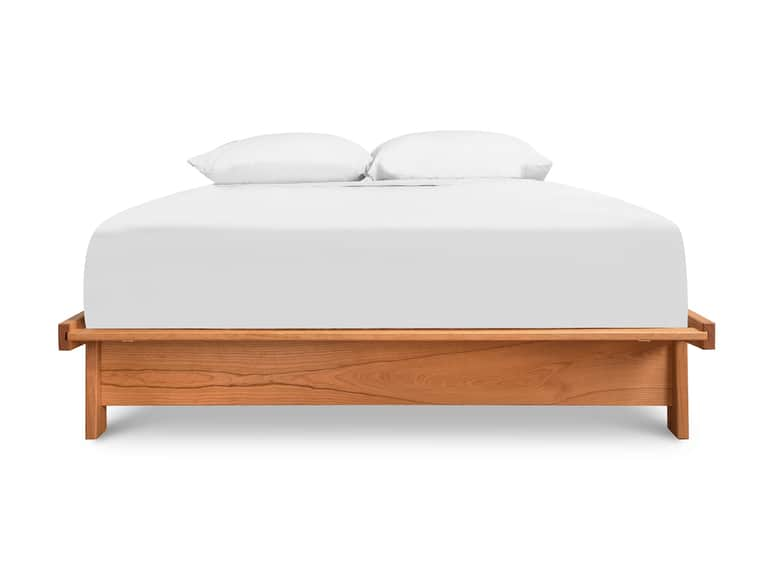
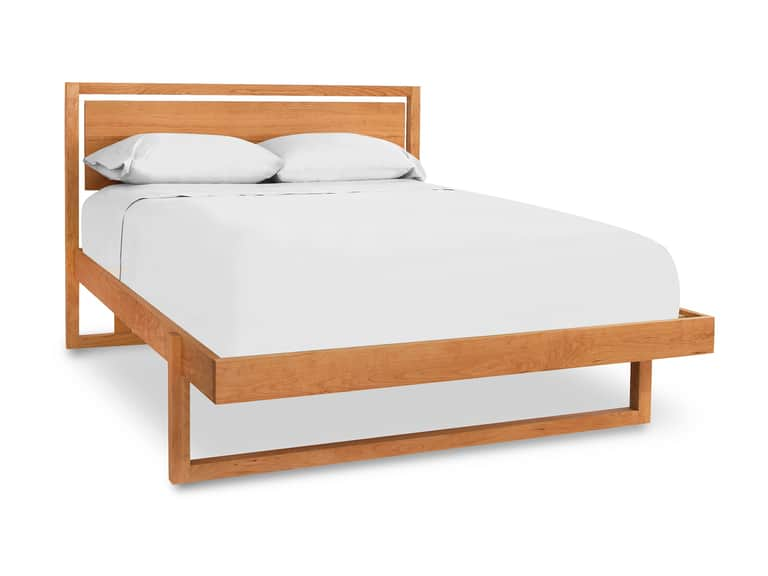
Maple Corner Woodworks is associated with the Cherry Moon Dovetail Platform Bed, a made-to-order platform bed described as being built in Vermont from solid, sustainably harvested woods and finished with an eco-friendly oil. Its dovetail platform is designed to support a mattress without a box spring. Those details provide a useful starting point for understanding what to examine in a platform frame, while the final choice should still come down to your room, mattress, preferences, and practical needs.
Here is a closer look at the questions worth asking before bringing a solid-wood platform frame home: What does the construction tell you? How will the wood look in your particular light? What does “platform” mean for mattress support? And how can a few careful measurements prevent a beautiful bed from overwhelming the room?
Start with the frame’s job, not just its appearance
A bed frame has a visual role, but its first assignment is practical. It needs to hold the mattress securely, remain stable during ordinary use, and work with the dimensions and setup of the sleep system. A platform bed typically provides a supportive surface as part of the frame, rather than relying on a separate box spring. That can create a clean, lower-profile arrangement, but platform designs differ, so it is important to understand the support surface rather than assume all frames are constructed alike.
Ask how the mattress is supported and what the manufacturer specifies about compatibility. Does the platform use a solid deck, slats, or another arrangement? Are there guidelines for mattress type, weight, or ventilation? If you already own a mattress, check its care instructions and warranty requirements before choosing a frame. Some mattress makers specify the kind of foundation or spacing their product needs. The point is not to decode every detail of furniture engineering; it is to make sure the bed and mattress are intended to work together.
Also consider the height of the finished setup. A low platform can look streamlined and make a bedroom feel less crowded, particularly where ceilings are modest or furnishings are minimal. But low is not automatically convenient for everyone. Think about how easily you can get in and out of bed, whether the mattress height suits the people using it, and whether existing bedside tables will sit at a comfortable level. A frame’s listed dimensions may describe the structure alone, so confirm the overall height once the mattress is included.
Construction is where confidence begins
“Solid wood” describes a material, not a complete construction story. Two frames made from solid wood can differ considerably in how their parts are joined, how they are assembled, and how their support components are designed. When evaluating furniture construction, look for clear information about the frame’s components and connections. If product details mention traditional joinery, ask what that means for the bed’s assembly and long-term maintenance. A specific construction description is more useful than a broad promise that a piece is simply built to last.
The Cherry Moon Dovetail Platform Bed’s product description identifies a dovetail platform, solid sustainably harvested woods, and an oil finish. These are concrete points a reader can compare with the needs of their own space. Dovetailing refers to a form of interlocking joinery; in a bed, the relevant question is how the maker uses that method and what parts it connects. Product descriptions cannot answer every practical question, so it is reasonable to request assembly instructions, component details, and guidance about moving or disassembling the frame.
Assembly deserves attention before delivery day. Find out whether the frame arrives in sections, whether tools are required, and how many people are recommended for setup. Consider doorways, stairwells, tight turns, and elevators—not only the bedroom itself. A frame can fit beautifully in the room and still prove difficult to get there. If you expect to relocate, ask whether the design can be taken apart and reassembled, and whether repeated moves are likely to affect its connections.
Stability is another everyday detail that is easy to overlook during an online browse. Ask how the frame is supported across its length and width, whether a center support is included where appropriate, and what the maker recommends for the intended mattress size. A bed should feel steady when someone sits on the edge or shifts position during the night. Clear answers about support and assembly are more useful than relying on a product photograph or a general impression of sturdiness.
Let the wood tell its own visual story
Wood is not a perfectly uniform surface, and that is part of its appeal. Grain, tone, and small natural variations can make two pieces feel related without looking identical. The species, cut, finish, and lighting all influence the final appearance. A hand-applied oil finish, such as the one specified for the Cherry Moon bed, is intended to preserve a more natural material character than a heavily built-up coating may. The precise color and sheen can still vary, so request current finish information or samples when those details matter to your decision.
It can help to look at the bedroom as a whole rather than selecting a bed in isolation. A warm wood frame may complement existing floors or furniture, or it may create a deliberate contrast. Either approach can work. What matters is the relationship among the large surfaces: floor, walls, bed, and any substantial storage pieces. If the room already contains several strong wood tones, a frame with a simpler profile may keep the mix feeling calm. If the space is neutral, visible grain can supply enough character without adding more pattern.
Finish is not only a color choice. It affects the way a surface feels, how it responds to everyday contact, and what care it may need. Ask for the maker’s cleaning and maintenance guidance rather than assuming every oil finish should be treated the same way. Avoid applying polish or household cleaners until you know they are suitable for the finish. A little care information at the outset can help protect the appearance you chose, especially on surfaces that are touched while making the bed or moving linens.
Measure the room—and the route into it
Furniture decisions often become easier when the tape measure comes out early. Begin with the room’s length and width, then note doors, windows, radiators, closets, outlets, and any architectural features that could affect placement. A bed’s footprint is only one part of the calculation. You also need space to walk around it, open drawers, reach a closet, and make the bed without squeezing into an awkward corner.
Mark the proposed frame dimensions on the floor with painter’s tape or a simple paper plan. Include the mattress dimensions and any headboard or footboard projection, if applicable. Then test the paths people will actually use: from the door to the bed, from each side of the bed to a wardrobe, and from the bed to the bathroom or hallway. A room can technically accommodate a frame while still feeling cramped in daily life. A few minutes spent mapping clearances can save a frustrating rearrangement later.
Measure the delivery route, too. Check the narrowest doorway, stair landing, and hallway turn. If the frame is made to order, confirm the dimensions and packaging approach with the maker before committing. Ask whether the listed measurements are exact, whether any parts extend beyond the mattress footprint, and whether the frame can be carried in manageable sections. These are unglamorous questions, but they can make the difference between a smooth setup and a very long afternoon.
Choose dimensions for the way you sleep
Room size is important, but so is the sleeping arrangement. Consider how much space each sleeper prefers, whether children or pets sometimes join the bed, and whether the mattress needs to fit an existing set of sheets. If you are changing mattress size, account for the cost and availability of compatible bedding as well as the frame itself. The larger option may feel inviting in the showroom, but it should leave enough circulation space for the room to function.
A made-to-order design can offer flexibility, but customization should be understood precisely. Confirm which dimensions, hardwoods, or finish choices are available, and ask how those selections affect lead time, price, and the possibility of changes after an order is placed. Avoid assuming that every aspect can be altered simply because a bed is made to order. Written specifications help everyone share the same understanding of what will arrive.
Think about daily routines, not an imagined perfect bedroom
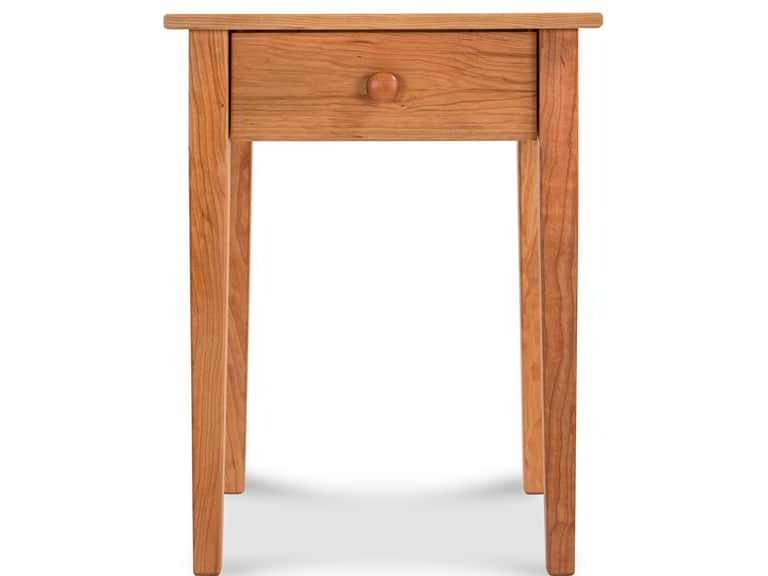
The most appealing bedroom is often the one that makes ordinary routines feel easy. Do you like to read in bed? Do you need a clear place for a glass of water, a lamp, or a book? Does the bed need to work alongside a compact bedside table, or do you prefer an uncluttered floor around it? These small habits can guide decisions about frame height, bedside furniture, and where the bed should sit.
Consider storage honestly. Some platform frames are designed with space beneath the bed; others keep the lower edge close to the floor or prioritize a clean, uninterrupted profile. If under-bed storage is essential, confirm the available clearance rather than relying on a general description. If you prefer a room that is easy to clean, consider how much space a vacuum or cleaning tool can reach. A frame should support your routines instead of requiring you to reorganize your life around it.
Bedroom furniture also shares the room with textiles. A platform frame’s height and proportions affect how sheets fall, how a quilt looks at the foot of the bed, and whether a bed end or blanket sits comfortably. If you use a mattress pad or topper, include its thickness when estimating the finished height. Keep the frame’s visual weight in balance with pillows, bedding, rugs, and nearby furniture. A substantial wooden bed can feel grounded and welcoming; lighter layers and clear floor space can keep it from dominating.
Sustainability claims deserve specific questions
Terms such as “sustainably harvested” and “eco-friendly” can be meaningful, but they are most useful when the maker can explain what they refer to. Ask about the wood sourcing, the finish, and any documentation or standards available. A clear answer helps you understand the claim without requiring you to accept a phrase at face value. It is also sensible to ask about the product’s care, repair, and expected service life: keeping furniture in use can be part of a more considered approach to buying.
Regional production may matter to some shoppers, too. The Cherry Moon Dovetail Platform Bed is described as built to order in Vermont and made in the USA. If place of manufacture is part of your decision, confirm the current production details directly, especially if they influence shipping, timing, or your understanding of the product. Treat origin information as one factor among several, alongside materials, construction, fit, and the service available if you need help.
A practical checklist before you decide
Before selecting a solid-wood platform frame, gather the details that are hardest to change later. A short checklist can keep the process grounded in the room and the people who will use it:
- Measure the bedroom, the intended furniture footprint, and the delivery route.
- Confirm the frame’s mattress dimensions and the height of the complete setup.
- Ask how the platform supports the mattress and whether it is compatible with your mattress.
- Review joinery, assembly requirements, center support, and any size-specific guidance.
- Request information about available wood and finish options, including care instructions.
- Clarify what “made to order” means for customization, lead time, delivery, and changes.
- Consider access around the bed, under-bed clearance, and your normal bedroom routines.
- Keep product specifications and answers in writing for reference during ordering and setup.
The best choice is the one that fits real life
Solid-wood furniture can bring warmth and a sense of permanence to a bedroom, but the right frame is not determined by material alone. Construction needs to suit the mattress. Dimensions need to suit the room. The finish needs to work with your preferences and your willingness to maintain it. And the bed should make ordinary tasks—getting in, making it, moving around it—feel natural rather than complicated.
Maple Corner Woodworks’ Cherry Moon Dovetail Platform Bed offers a specific example to consider: a made-to-order Vermont-built design described as using solid, sustainably harvested wood, a dovetail platform, and an eco-friendly oil finish. Those details can help focus a comparison, but the most useful decision comes from checking them against your own requirements. Ask direct questions, verify the measurements, and make room for the practical details that product photography cannot show.
In the end, a well-chosen platform frame should feel at home before the first night’s sleep. It should fit the room without crowding it, support the mattress as intended, and offer a wood character you are happy to live with as seasons and routines change. That is a more lasting kind of appeal: not a perfect picture, but a bedroom that works beautifully for the people who use it every day.