Why organic matter in NH: climate, health, and home alignment
New Hampshire homes span a range from cozy timber-framed cabins in the White Mountains to sunlit, modern townhouses along the Seacoast. In such varied settings, the mattress you choose should not only feel right but also perform well across seasonal shifts. Organic mattresses emphasize materials and finishes that minimize chemical exposure, support long-term durability, and reduce environmental impact. For residents and visitors who spend significant hours resting, the difference can translate into better sleep, fewer irritants, and a calmer bedroom microclimate during harsh winters and humid summers.
Organic labeling has moved beyond marketing jargon. Certifications act as a roadmap for consumers who want verified standards. In New Hampshire’s climate—characterized by cold, dry winters and humid summers—breathability, moisture management, and thermal comfort become especially important. An organic mattress that uses natural, breathable materials can help regulate temperature and support restful sleep across the seasons.
Key certifications to recognize
When shopping for organic mattresses in NH, certifications help you navigate the landscape of claims. Look for credentials from independent, widely respected bodies that test for content safety, environmental impact, and manufacturing practices. Some of the most meaningful certifications include:
- GOTS (Global Organic Textile Standard) for organic fibers and processing.
- GOLS (Global Organic Latex Standard) for organic latex materials.
- CertiPUR-US for polyurethane foams, ensuring low emissions and safer content.
- OEKO-TEX Standard 100 or higher for textiles tested for harmful substances.
- Greenguard Gold for low chemical emissions in indoor environments.
Beyond these, state and regional programs may emphasize local sourcing and manufacturing practices. In the NH context, certifications become a practical guide to selecting products that align with health priorities and environmental values without sacrificing comfort or durability.
Materials that matter in NH: from foundation to surface
Organic mattresses are built from layers that interact with sleep comfort and climate. The main material categories to understand include:
- Organic cotton and wool fabrics for breathability and moisture management.
- Natural latex or organic latex blends for responsive support and durability.
- Natural or certified foam alternatives with low VOCs for a balanced feel.
- Natural fibers for encasements and covers that help regulate temperature and reduce irritants.
In NH homes, you’ll often find bedrooms with centralized heating, relying on insulating materials and consistent airflow. A mattress that breathes well helps maintain comfort in winter’s dry air and summer’s humidity. Materials like organic cotton and wool can absorb excess moisture when needed while preventing overheating during peak sleep hours.
Local brands and retailers in the broader context
While the market for organic bedding extends beyond state lines, New Hampshire residents have access to brands that emphasize earthy materials, craftsmanship, and responsible manufacturing. In this article, we reference well-regarded brands in the wider region to illustrate common practices and standards. Notable brands often highlighted in editorial discussions include:
- Naturepedic — known for organic cotton and latex options with transparent certifications.
- Sferra — premium luxury fabrics with attention to natural fibers and ethical production practices.
- Regionally minded makers that emphasize local materials and shorter supply chains (where available).
When consulting local retailers, ask for certification documentation, material sourcing stories, and care guidelines. A thoughtful conversation can illuminate how a mattress will age in New Hampshire homes and how to pair it with seasonal bedding for optimal sleep.
Evaluating comfort, durability, and environmental impact
Choosing an organic mattress goes beyond “soft” or “firm.” It involves validating comfort through a tested, safe structure that maintains its integrity over time. Consider these criteria during shopping:
- Support and alignment: Ensure the mattress provides even support to the spine and hips across sleeping positions.
- Temperature regulation: Breathable covers, natural latex, and wool layers contribute to comfort in NH’s climate.
- Durability: Core materials like natural latex or high-quality springs resist sagging and extend mattress life.
- Maintenance: Removable, washable covers or easy-to-clean fabrics help manage allergens and daily wear.
- Certifications: Cross-check the product’s documentation against recognized standards.
Environmental impact is also a practical consideration. A mattress that uses responsibly sourced materials, minimal chemical processing, and durable construction reduces the frequency of replacement, ultimately benefiting both the consumer and the environment.
A brief look at notable individuals shaping sleep culture across eras
Across time, thoughtful voices have influenced how people think about bedding, sleep health, and home comfort. Here are three key figures from different periods who have contributed to the conversation about organic sleep environments—and their ideas still resonate today.
Florence Nightingale (1820–1910)
Pioneer of modern nursing who emphasized cleanliness, standardization, and patient comfort. Her legacy informs today’s attention to hygienic bedding practices, dust-free environments, and the role of sleep quality in recovery.
Charles Darwin (1809–1882)
Naturalist whose work underscored the importance of environments that support fundamental needs. His broader ideas about adaptation and comfort echo in modern designs prioritizing breathable materials and adaptable sleep spaces.
Maria Montessori (1870–1952)
Pioneer in education who championed child-centered environments. Her principles influence ergonomic, safe sleep spaces for families, including nursery textiles and child-friendly bedding philosophies that align with organic materials.
Their ideas—cleanliness, thoughtful design, and consideration for the user’s well-being—still guide contemporary conversations about organic mattresses. In a NH setting, these threads intersect with climate-aware choices, responsible manufacturing, and the everyday realities of home life.
Product spotlight: Horizon Platform Bed as a platform for mindful sleep spaces
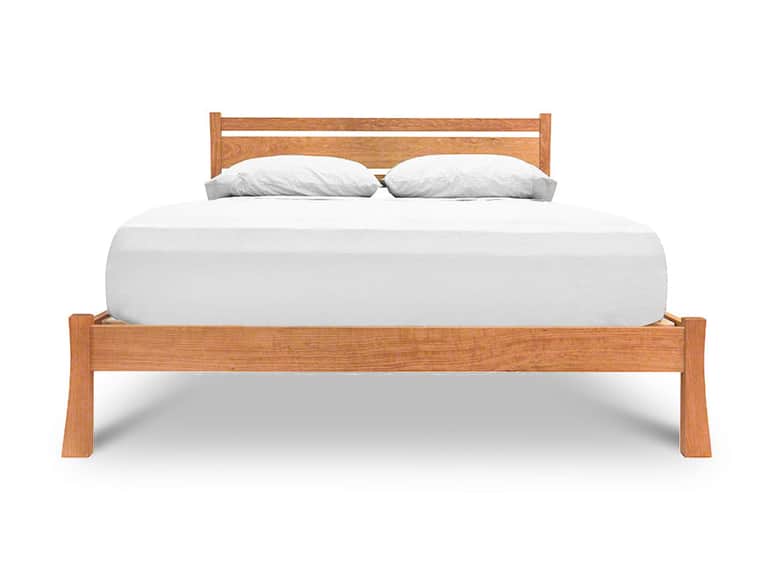
The Horizon Platform Bed, crafted in Vermont from solid wood with an eco-friendly oil finish, embodies the ethos of durable, simple design that complements an organic sleep environment. While not a mattress itself, the bed frame plays a crucial role in how you experience your organic mattress—supportive foundations, clean lines, and materials that align with low-toxicity living.
Key attributes include solid wood construction, platform bed design, and a finish that highlights the wood’s natural character. In NH homes, a sturdy platform can contribute to a stable sleeping base, reducing movement transfer and creating a cohesive, sleep-friendly room aesthetic.
Horizon Platform Bed
Solid wood, eco-friendly oil finish
Made to order in Vermont
Incorporating a platform bed like the Horizon into an NH bedroom supports a holistic approach to sleep health. The combination of organic materials and durable construction reinforces a healthier sleeping environment, aligning with the broader goals of organic bedding selection.
Practical steps for NH shoppers: making an informed, non-promotional choice
- Define your climate comfort needs: assess how you heat or cool your space and how moisture affects your bedding experience.
- Prioritize certifications: verify that materials and production meet reputable organic and safety standards.
- Inspect construction quality: test edge support, responsiveness, and durability. Look for solid cores and resilient fabrics.
- Ask about care and longevity: understand cleaning, rotation, and repair options to extend mattress life.
- Consider the pairing with bed frames: choose a sturdy base, like a platform bed, that complements the organic mattress.
By focusing on these steps, NH shoppers can navigate the market with confidence, prioritizing health, comfort, and environmental responsibility without promoting specific products or brands.
A non-promotional, information-forward conclusion
Organic mattresses offer a pathway to healthier sleep spaces in New Hampshire’s diverse homes. With climate-aware materials, transparent certifications, and a growing array of regional and national brands, residents can select beds that align with personal comfort and environmental values. This guide emphasizes education over promotion, inviting readers to explore options thoughtfully, consult credible sources, and prioritize the long view: a mattress that supports restful nights for years to come.